Complete Guide to choosing the right estate appraiser
Complete Guide to choosing the right estate appraiser
Blog Article
Full Property Assessment: Improve Your Property's Potential
A thorough estate appraisal plays an essential role in determining a real estate's worth, particularly after the death of a loved one. It ensures an equitable distribution of resources among heirs and assists in fulfilling monetary responsibilities. Comprehending the multiple elements affecting appraisal is vital. Furthermore, choosing the right appraiser can greatly impact the result. With many considerations at stake, how can homeowners most effectively prepare themselves for this process?
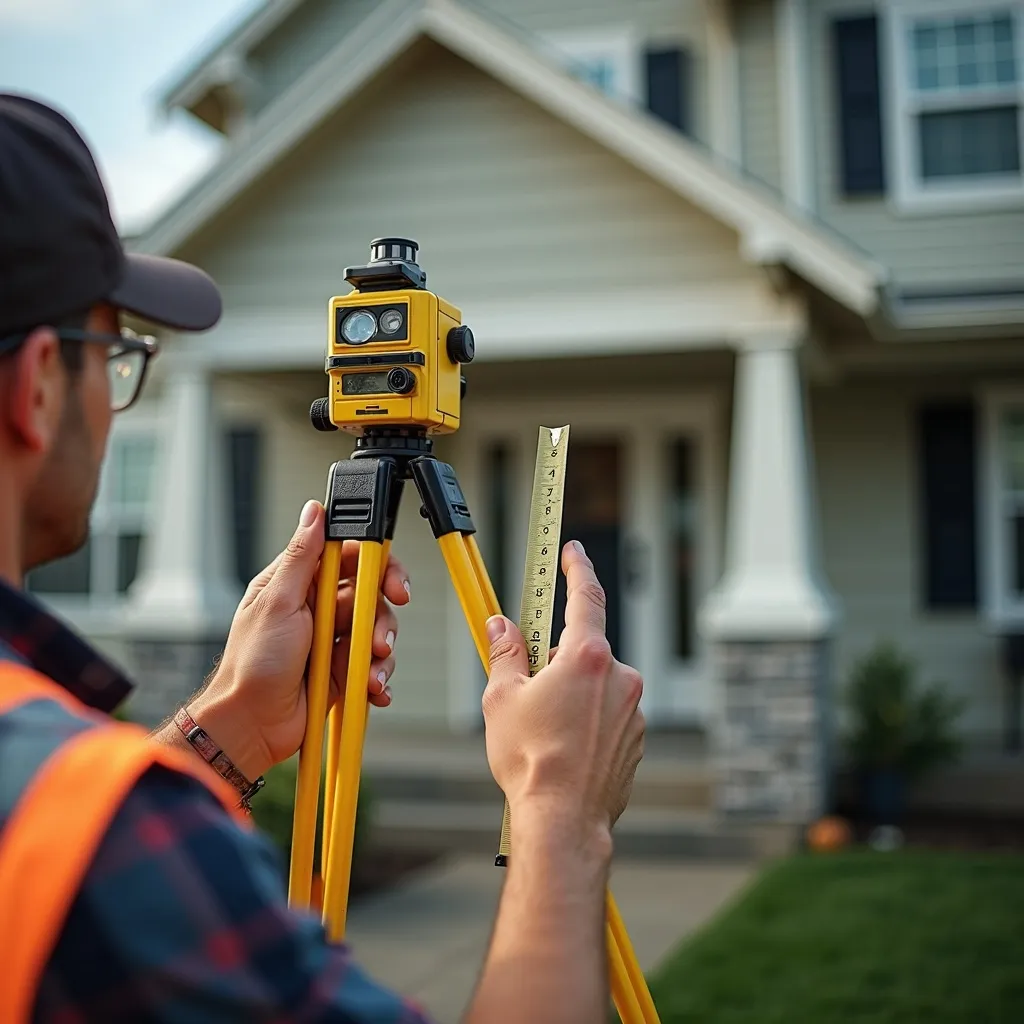
Learning the Purpose of an Estate Appraisal
An estate assessment functions as an essential instrument in determining the value of a departed individual's property. This procedure is vital for multiple purposes, mainly to enable the fair allocation of assets among inheritors and beneficiaries. It offers a transparent valuation that can assist in resolving liabilities and taxes, guaranteeing that the estate meets lawful requirements. Additionally, an precise appraisal assists in reducing disputes among relatives, thereby facilitating an smoother transition during what is often a challenging time.
In addition, an estate appraisal can also enable identifying and documenting the assets for later generations. It establishes a baseline value that can be turned to for potential future sales or tax reasons. At the end of the day, comprehending the purpose of an valuation assessment emphasizes its importance in achieving transparency and fairness in the management of a late person's estate, fostering ethical estate planning and execution.
Vital Points Controlling Property Evaluation
Various vital elements significantly influence property valuation during an estate appraisal. Location and accessibility regularly determine a property's desirability, while the condition of the property itself may affect its overall worth. Additionally, market trends analysis provides perspective on current economic conditions that influence property values.
Location and Convenience
Location and accessibility hold pivotal roles in figuring out property valuation, influencing buyer interest and market patterns. Properties placed in desirable neighborhoods, near amenities such as schools, shopping centers, and public transportation, generally attract higher prices. Furthermore, accessibility to major roadways and employment hubs improves a property’s appeal, making it more appealing to potential buyers. Areas with low crime rates and good school districts commonly see increased demand, further elevating property values. Conversely, properties in remote locations or those with relevant resource limited access to essential services may face decreased valuation. Understanding these factors allows sellers to strategically position their properties, enhancing marketability and securing optimal returns on investment.
Real Estate Quality Assessment
Beyond placement and ease of access, the state of a property significantly affects its valuation. Essential elements include structural integrity, age, and maintenance history. A properly maintained property typically commands a higher price, as buyers are often willing to pay a premium for move-in readiness. Conversely, properties needing significant repairs or renovations may deter potential buyers, resulting in lower offers. Moreover, improvements in critical systems—such as plumbing, electrical, and roofing—can enhance value, while neglecting these areas can result in value decline. A comprehensive property assessment not only pinpoints these factors but also delivers a clear understanding for potential buyers, ultimately influencing the property's marketability and final sale price. Evaluating condition is, consequently, a vital component of precise property valuation.
Trade Trends Evaluation
Market trends constitute a key element in fixing property valuation, influencing buyer behavior and pricing strategies. Factors including local economic conditions, employment rates, and demographic shifts substantially impact market demand. Additionally, interest rates and financing availability direct how buyers engage in property purchases. Seasonal trends consistently impact buyer activity, with certain periods generating higher sales volumes. Furthermore, neighborhood developments, such as new amenities or infrastructure projects, may enhance property desirability. Understanding these dynamics assists appraisers and property owners to fine-tune their strategies accordingly. By continuously monitoring these trends, stakeholders can exercise sound judgment, ensuring that property valuations align with current market realities and amplifying potential returns. Ultimately, a meticulous market trends analysis is indispensable for effective estate appraisal.
Guide to Finding a Qualified Appraiser
Selecting a qualified evaluator demands thorough evaluation of several key factors. Credentials and experience are critically important, as does the appraiser's knowledge of the local market. Furthermore, understanding the valuation methods employed can significantly impact the precision and dependability of the property valuation.
Qualifications and Background
When locating a competent appraiser, it is vital to assess their credentials and experience, as these factors substantially influence the accuracy and dependability of the appraisal. A licensed appraiser typically holds an relevant designation from an recognized professional organization, such as the Appraisal Institute or the American Society of Appraisers. Additionally, substantial experience in the field, particularly with the category of property being appraised, is crucial. Prospective clients should ask about the appraiser's track record, including the number of appraisals completed and any areas of specialization. It's also helpful to review continuing education, which shows a dedication to keeping current with industry standards and practices. Collectively, these elements provide a well-rounded professional capable of delivering accurate appraisals.
Local Market Proficiency
Understanding local market dynamics is vital for selecting a skilled professional, as their understanding of the locality can greatly impact the appraisal's dependability. An appraiser with deep expertise of the local real estate landscape will be better equipped to determine property values based on latest transactions, neighborhood trends, and economic indicators. It is advisable to seek out appraisers who have worked in the specific locality for several years, as they will maintain insights into unique factors influencing property worth. Additionally, reviewing area-based credentials or participation in professional groups can additionally establish an appraiser's expertise. Ultimately, opting for someone deeply familiar with regional market dynamics can lead to a highly accurate and favorable property valuation.
The Appraisal Methodology Used
The valuation procedure carried out by a qualified appraiser represents a key consideration determining property appraisal. Appraisers commonly apply three primary methods: the comparative market analysis, the cost approach, and the revenue-based method. The comparative market analysis reviews comparable homes transacted recently in the area, whereas the replacement cost method figures the cost of replacing the property minus deterioration. The revenue-based method is frequently applied for investment properties and computes anticipated income streams. When hiring an valuation expert, property owners must emphasize qualifications, including licenses and experience. It is equally important to evaluate their familiarity with local market trends and real estate categories. A well-versed appraiser can deliver a comprehensive evaluation, guaranteeing accurate and beneficial property valuation for succession planning.
Get Your Home Prepared for an Appraisal
Preparing a property for appraisal is essential for obtaining an precise valuation. Homeowners should begin by ensuring that the property is clean and clutter-free, which allows appraisers to see its full potential. Simple cosmetic improvements, such as fresh paint or minor repairs, can greatly enhance appeal.
Additionally, it is advisable to assemble relevant documents, including previous appraisals, tax assessments, and property disclosures, as these provide beneficial context for the appraiser. Landscaping should too be handled; well-maintained gardens and lawns can create a strong first impression.
Finally, homeowners should be ready to submit a list of unique features and upgrades, as these elements may affect the overall value. By taking these steps, homeowners can enable a smoother appraisal process and potentially increase their estate's worth.
Frequent Real Estate Appraisal Missteps to Dodge
Numerous typical oversights can impede the estate valuation process and potentially lead to unreliable values. One typical blunder is neglecting to give detailed and accurate property particulars. Fragmentary information can distort the appraiser's interpretation, producing inaccuracies. Another mistake is neglecting to take into account current market conditions and similar properties, which can greatly influence property prices. Ignoring required improvements or repairs also causes difficulty; appraisers should evaluate the property's existing status accurately.
Additionally, relying solely on online valuation tools can mislead owners, as these tools often lack local market subtleties. Emotional attachment to the property may obscure decision-making, leading to inflated expectations regarding value. Finally, not hiring a qualified appraiser can jeopardize the appraisal's accuracy. By avoiding these typical mistakes, property owners can guarantee a more accurate and beneficial estate appraisal.
Enhance Your Property Value With These Strategies
Elevating property value requires a well-planned strategy that encompasses both aesthetic and functional improvements. First, boosting exterior attractiveness is essential; simple landscaping, fresh paint, and well-maintained walkways can create a lasting first impression. Inside, renovating kitchens and baths often yields the best results. Modern fixtures and energy-efficient appliances can attract potential buyers.
Moreover, organizing and presenting the home makes it more appealing and enable potential purchasers to envision themselves residing in the space. Investing in small maintenance, such as fixing leaky faucets or replacing worn flooring, can also greatly improve appeal.
In addition, integrating smart home technology provides a modern edge that many purchasers pursue. To conclude, understanding local market trends and strategically pricing can place the property favorably. By implementing these strategies, property owners can enhance their asset's worth and ensure a more favorable appraisal result.
What to Do After Your Property Valuation?
After executing strategies to enhance property value, the following actions following an appraisal are essential. Property owners should initially review the appraisal report carefully, making sure they understand the valuation and any factors influencing it. If discrepancies or concerns emerge, it is crucial to resolve them promptly, potentially through a discussion with the appraiser.
Next, owners should assess their financial objectives. Whether planning to sell, secure new financing, or keep the property, aligning approaches with the appraisal results is crucial. For those listing the property, using the appraised value can guide pricing strategies and marketing methods effectively.
Additionally, homeowners might consult property professionals to understand current market conditions, ensuring they capitalize from their property's worth. Finally, staying informed about continuous property enhancements and market situations can help sustain or enhance value over time, making the appraisal a key tool in long-term property oversight and approach.
Regularly Posed Questions
How Regular Should I Obtain My Estate Appraised?
Specialists recommend property assessments every three to five years, or following significant changes, such as upgrades or market fluctuations. Consistent evaluations guarantee property values properly represent current conditions, supporting informed decision-making for owners and potential buyers.
May I object to an assessed value I have reservations regarding?
Yes, an party can challenge an appraisal value they disagree with. This course of action generally includes furnishing proof supporting their claim, such as comparable sales or property condition, to the relevant authority or appraisal board for review.
Which Papers Are Mandatory for an Appraisal?
To complete an appraisal, required materials commonly consist of property deeds, previous appraisals, tax assessments, renovation records, and any relevant photographs. These materials support the appraiser in accurately assessing the property's current market value.
How Much Time Is Required for a Typical Estate Appraisal?
An estate inspection typically takes between one to three hours, contingent upon the property's complexity and size. However, final documents may need additional time for review and documentation before delivery and completion to the client.
Will an Appraisal Value Affect My Property Taxes?
An property valuation can greatly influence property taxes. Local tax authorities often utilize appraised values to establish tax assessments, meaning a higher appraisal may cause increased property taxes, impacting the owner's financial responsibilities.
Report this page